
Connect+ November 12, 2026
Share this story
Better media starts with better intelligence. This edition of Connect+ explores how advertisers can get more out of every channel, from targeting individual podcast shows and bringing Walmart shopper data into CTV to making direct mail more personal and coordinating broadcast with streaming. Four opportunities, one common thread: smarter ways to reach the right audiences, reduce wasted spend, and make every media investment count.
Podcast Advertising Gets More Precise with Show-Level Targeting
Not all podcasts reach the same audience, and now advertisers can be much more selective about where their messages appear. Through our DSP partner StackAdapt, DCW can now target and report on individual podcast inventory, giving advertisers the ability to select specific shows rather than relying solely on broader podcast categories or audience segments.
This added level of control allows brands to align placements with relevant content, listener interests, and audiences while gaining greater transparency into which podcasts are delivering results. Individual show-level reporting also provides more insight into campaign performance, helping advertisers make informed decisions about where to prioritize investment.
At DCW, we're continually expanding our digital audio capabilities to give clients more precise targeting, greater visibility, and smarter ways to connect with engaged audiences.

Walmart Brings its Powerful Shopper Data to CTV Advertising
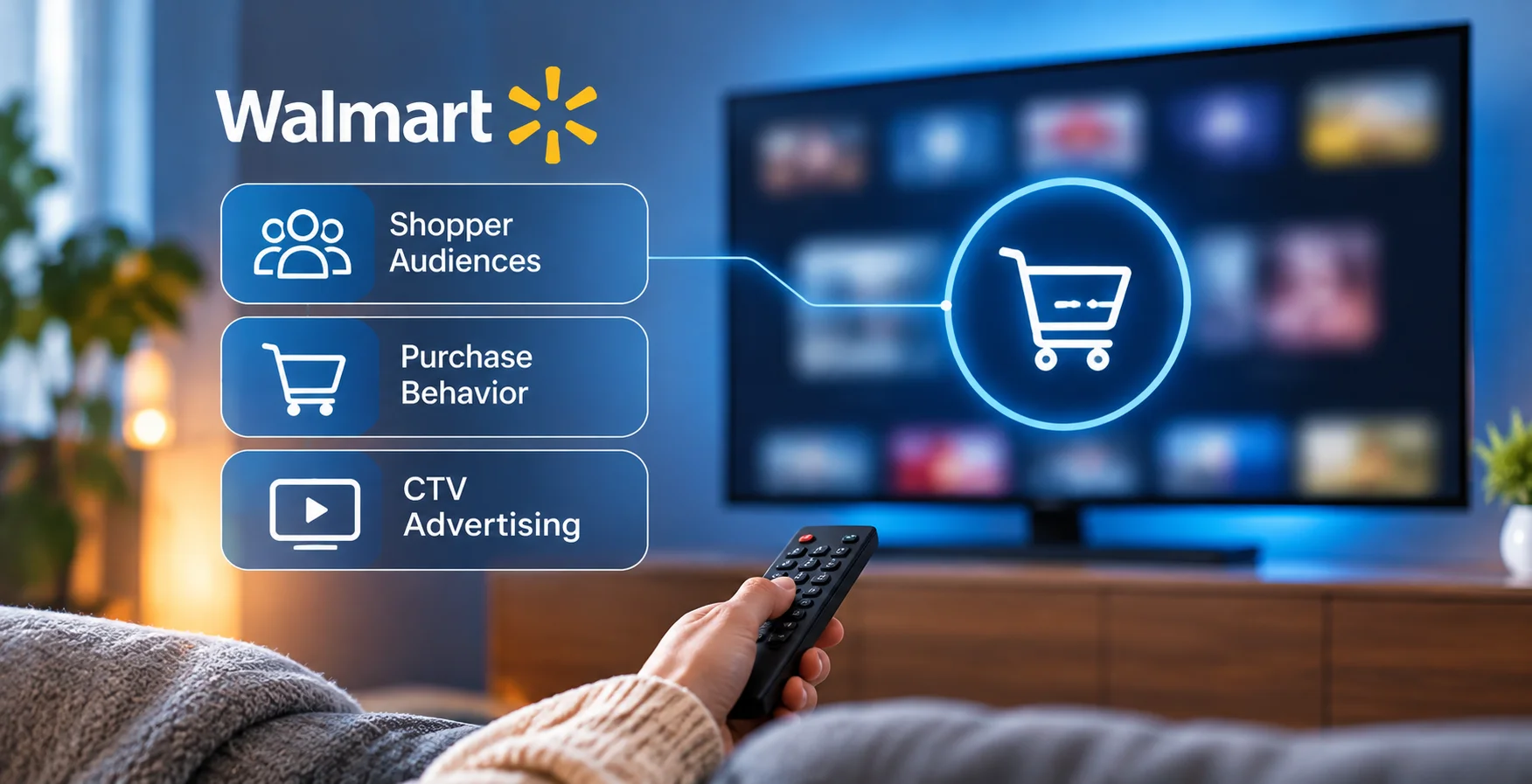
What people buy can be just as valuable as what they watch. Walmart is expanding access to its first-party shopper audiences through Vibe, a self-service CTV advertising platform, allowing advertisers to target households based on actual online and in-store purchase behavior.
These audiences include lifestyle and shopping personas, as well as specific product-category buyers, ranging from new parents and recent movers to shoppers actively purchasing products in particular categories. Advertisers can use these segments to bring Walmart's valuable purchase insights into their CTV campaigns, reaching households with demonstrated interests and buying intent.
For brands, this creates an opportunity to combine the scale and impact of streaming television with the power of real-world shopping data. At DCW, we continue to monitor advancements in retail media and audience-based CTV targeting to identify new ways for clients to reach high-value consumers and make their media investments work harder.
Household-Level Data Makes Traditional Direct Mail More Targeted
Traditional direct mail is becoming more sophisticated as household-level data and variable-data printing allow advertisers to deliver different messages to specific audiences within the same market. Rather than sending identical promotions across an entire ZIP code, advertisers can tailor offers based on available household characteristics, purchasing indicators, and proximity to a location.
For example, a specialty food market promoting holiday catering could target larger households with family meal packages while reaching households with gourmet food interests through premium catering menus, specialty platters, and prepared holiday dinners. Mailings can also be timed around holiday ordering deadlines to help drive response when customers are making purchasing decisions.
At DCW, combining audience research with more selective distribution and response measurement helps clients make traditional direct mail more relevant, reduce wasted circulation, and create measurable opportunities to generate orders and store/website visits.

Broadcast Audience Migration Mapping Creates Smarter TV Buying Opportunities
Television audiences are dividing their viewing time between traditional broadcast and streaming, creating new opportunities for more strategic media buying. By combining traditional television ratings with cross-platform viewing intelligence, media planners can identify which programs continue to deliver strong audience reach and where streaming can help fill gaps in a linear TV schedule.
As an example, a hospital promoting cardiovascular orthopedic services could examine viewing patterns among adults 45–64 to identify the local news programs that deliver the strongest reach while using CTV to connect with additional households.
For DCW clients, the advantage is a more coordinated television strategy that uses each platform where it performs best, expands unduplicated reach, reduces wasted impressions, and makes television investments work harder.