Connect+ May 28, 2026
Share this story
From ChatGPT ads to Love’s Media Group and smarter radio and TV timing, this Connect+ is all about meeting audiences in the moments that matter. We’re breaking down new ways brands can show up with more relevance, more control, and stronger media impact.
ChatGPT Ads Are Now Within Reach
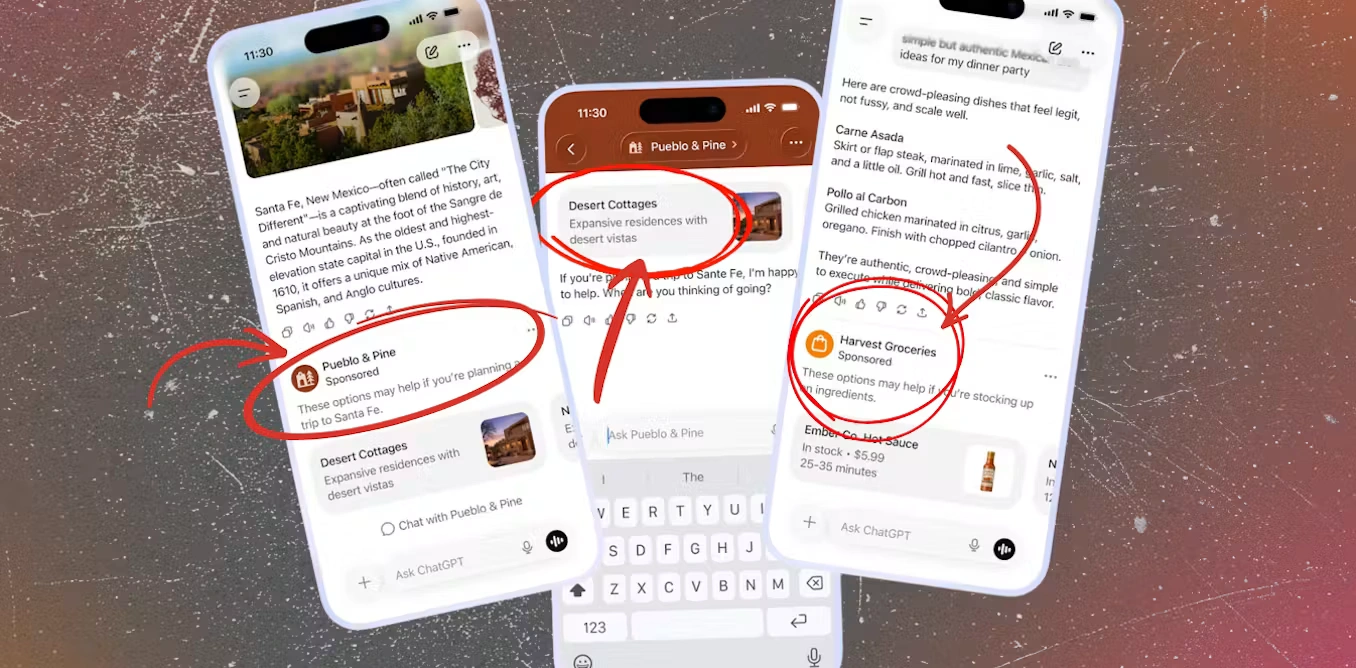
DCW is now ready to serve ads on ChatGPT through our partnership with StackAdapt. Campaigns executed in-house have no minimum spend and provide key reporting metrics including impressions, clicks, CTR, and CPC. Creative includes both image and copy assets, while targeting is currently keyword-based.
It is important to note that this channel is still in its earliest stages. There are restrictions across certain verticals, including healthcare and financial services, and geo-targeting is currently limited to nationwide delivery. However, we expect the platform to develop quickly, with new offerings and capabilities likely to emerge in the near future.
Interested in testing paid ads on ChatGPT? Reach out to DCW to see whether this opportunity is the right fit for your brand or business.
Love’s Media Group Opens the Road to New Audiences
DCW is hitting the road and reaching travelers and truckers in new ways through our partnership with Love’s Media Group (LMG). This retail media network connects advertisers with audiences across in-store, gas pump, in-app, loyalty program, and online inventory.
With 650+ locations across 42 states and more than 60 million monthly onsite visits, Love’s offers strong reach and brand loyalty across both B2B and B2C audiences. This can be a powerful opportunity for several verticals, including travel, hospitality, gaming, automotive, and more.
Looking to give your next campaign a high-impact push? Reach out to DCW to explore how LMG can fit into your media strategy.

AI Adds a New Layer to Broadcast Planning
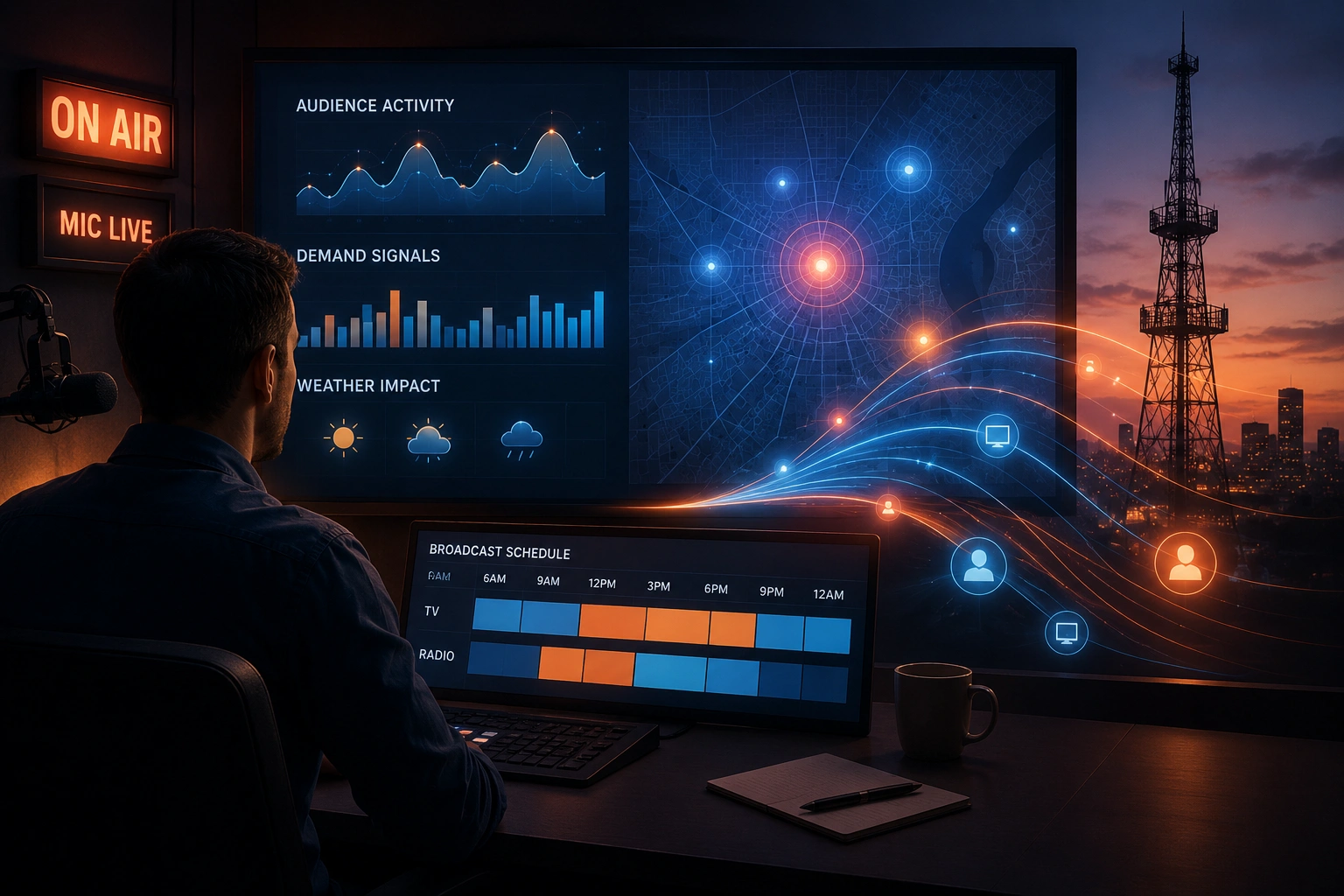
Traditional television and radio buying have historically relied on past ratings and fixed schedules. A newer strategy uses AI-assisted optimization models to adjust linear media weight based on real-time audience behavior patterns, search activity, weather shifts, and localized consumer demand signals.
Instead of building static schedules weeks in advance, planners can evaluate dynamic indicators that suggest when audience attention or category demand may spike within a market. This allows television and radio schedules to become more behavior-responsive while still operating within traditional media environments.
For healthcare, banking, retail, and higher education, this creates opportunities to align broadcast delivery with emerging demand signals rather than relying exclusively on historical planning assumptions. At DCW, AI-assisted planning models are being evaluated as an additional intelligence layer within traditional broadcast strategy, helping TV and radio schedules respond more effectively to changing market conditions and consumer behavior.
Audio Sequencing Follows the Listener’s Day
Radio buying has traditionally focused on station reach and ratings. A more advanced approach sequences messaging across different daily audio environments to follow how audiences move throughout the day.
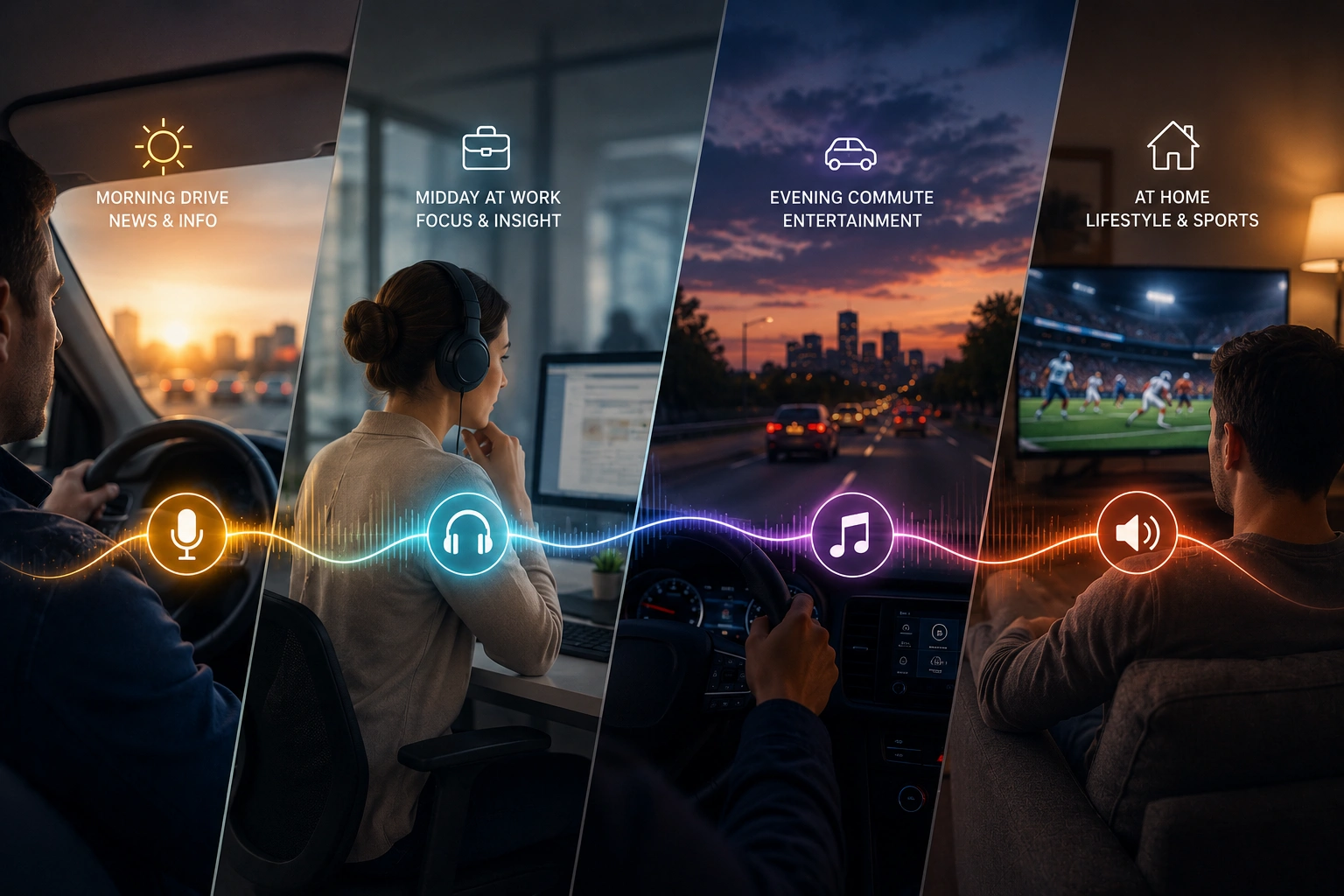
This strategy aligns specific radio formats and audio placements with changing audience routines. Morning drive may emphasize news and information, midday placements can align with workplace listening, and evening sports or lifestyle programming can reinforce messaging later in the day. Rather than repeating identical schedules, campaigns are structured so messaging shifts as audiences move between commuting, working, and home environments.
At DCW, audio environment sequencing is increasingly used to structure radio campaigns around daily behavioral movement patterns, creating more contextual engagement across traditional audio channels.