Connect+ May 14, 2026
Share this story
As digital platforms continue to reshape how audiences discover, engage, and purchase, traditional media is becoming more precise and behavior-driven alongside them. In this latest Connect+, we explore new developments in LinkedIn targeting, Google’s push toward embedded commerce, and how smarter radio and broadcast strategies are creating more contextual audience engagement.
LinkedIn Expands B2B Precision Into CTV
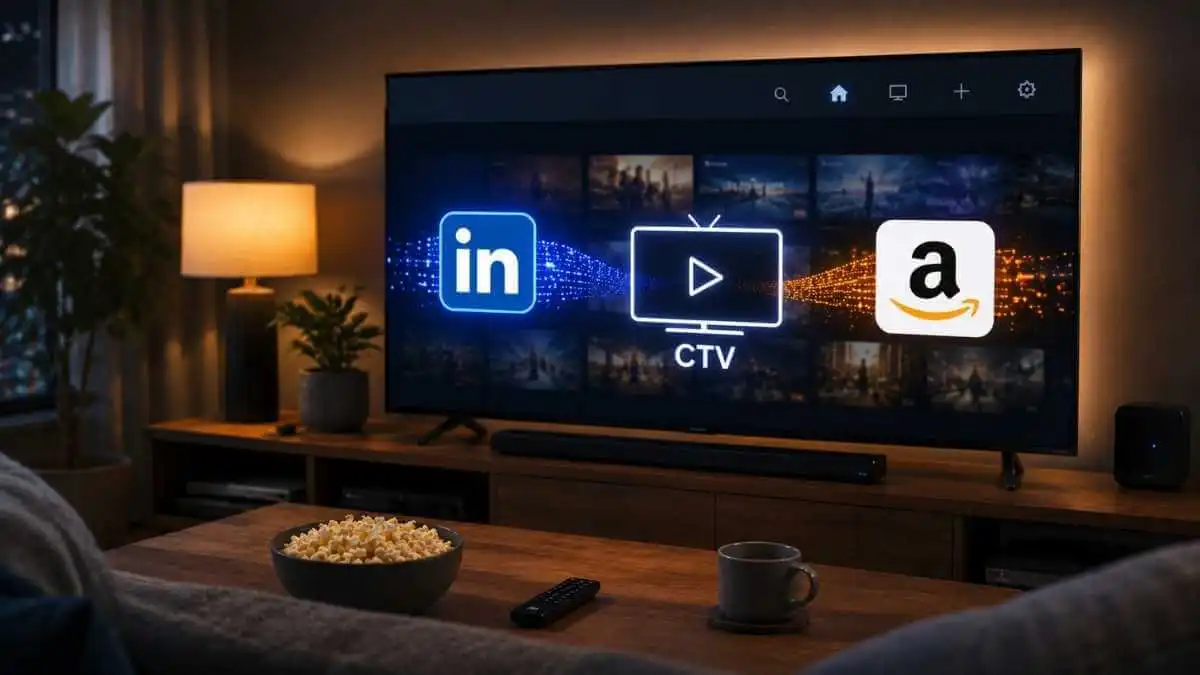
LinkedIn continues to extend its valuable proprietary audience data across major media platforms. We recently highlighted the platform’s partnership with DV360, and now LinkedIn is teaming up with Amazon to bring its precise B2B targeting capabilities to connected TV. Advertisers will be able to activate LinkedIn audience segments including job title, seniority, industry, and more.
Initial results show that CTV ads powered by LinkedIn data reach B2B audiences 2.2x more effectively than other CTV platforms and 4.3x more effectively than broadcast television. As CTV targeting capabilities continue to improve, partnerships like this are creating new opportunities for advertisers to reach highly qualified professional audiences at scale.
DCW specializes in building custom strategies for hard-to-reach B2B audiences across industries. If your business is looking to engage decision-makers more effectively, we can help develop a strategy tailored to your goals.
Google Pushes Search Further into Direct Commerce
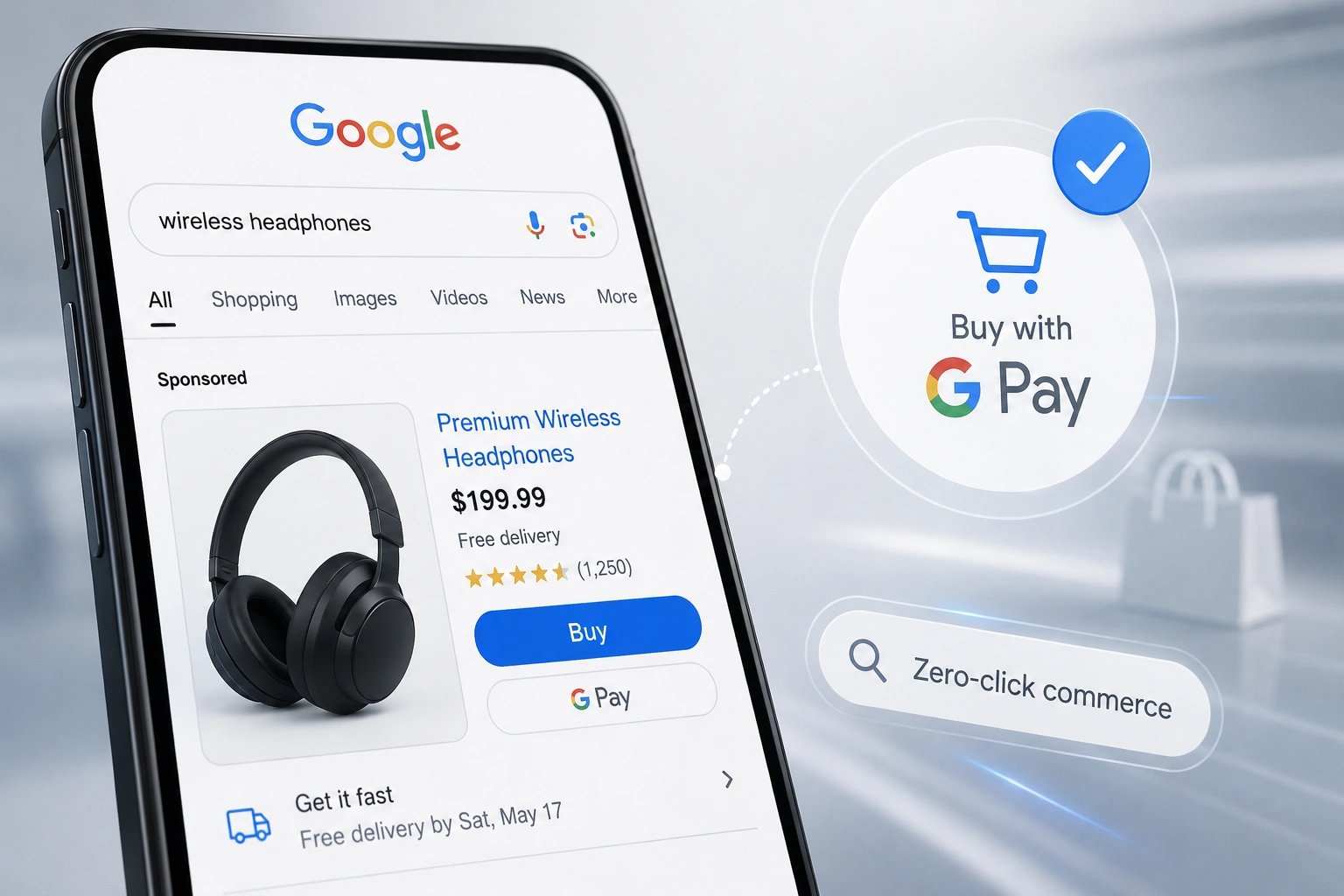
Google is rapidly transforming Search into a direct commerce platform. Its Universal Commerce Protocol (UCP) checkout feature, previously limited to AI Mode and Gemini, is now expanding into standard Google Search. Shoppers can complete purchases directly within search results using “Buy” buttons connected to Google Pay, without ever visiting a retailer’s website.
The shift accelerates the move toward “zero-click commerce,” where impressions can lead directly to transactions inside Google’s ecosystem. As AI-powered shopping and embedded checkout experiences continue to grow, these changes have the potential to significantly impact SEO, retail media strategy, and overall digital conversion behavior.
DCW closely monitors developments like these to help clients adapt to how discovery, shopping, and conversion paths are changing across digital platforms.
Sequencing Audio Around Daily Audience Behavior
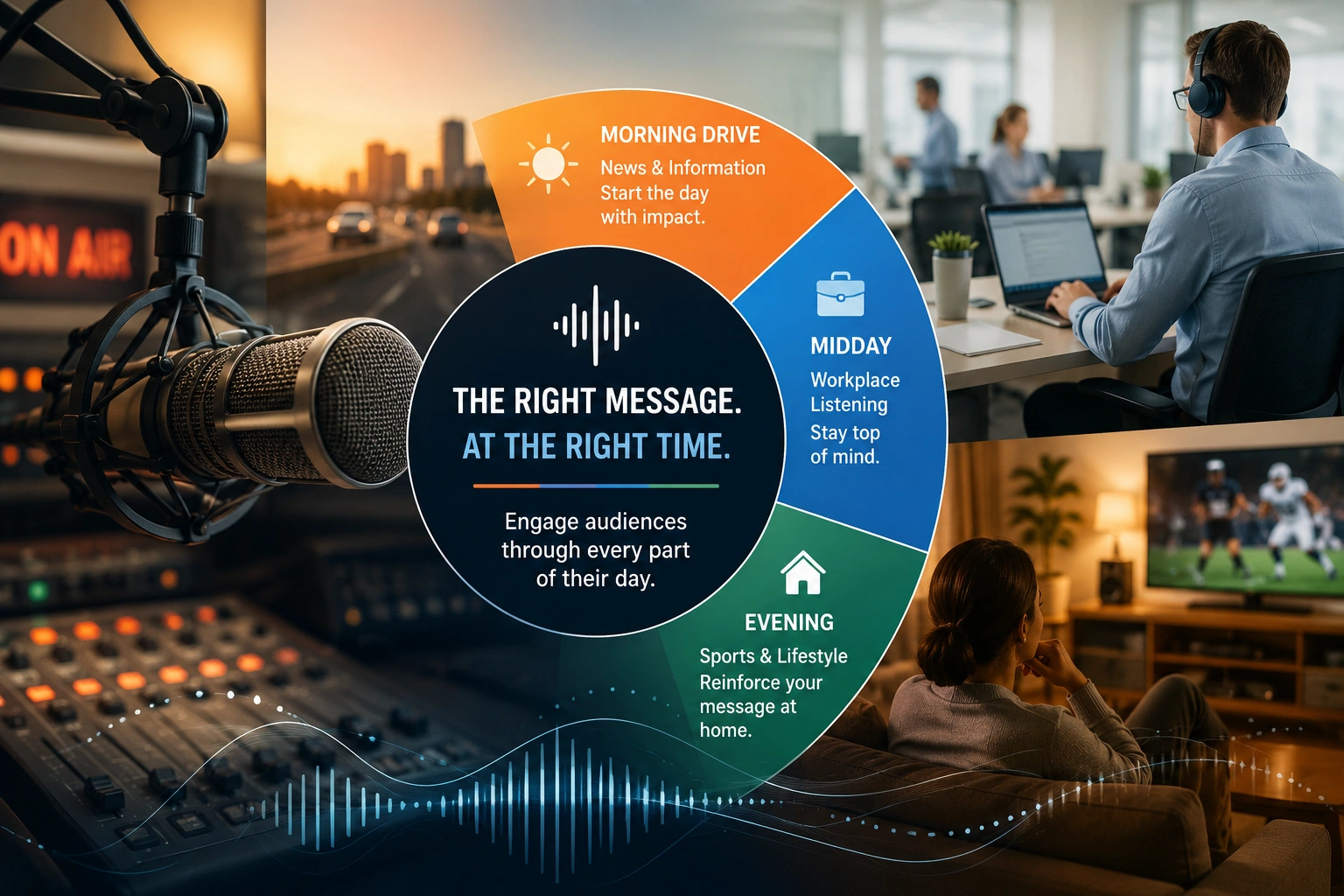
Traditional radio buying has often focused primarily on station reach and ratings. A more advanced approach structures messaging across multiple daily audio environments to align with how audiences move throughout the day.
This strategy connects specific radio formats and audio placements with changing audience routines. Morning drive may emphasize news and information, midday placements can align with workplace listening, and evening sports or lifestyle programming may reinforce messaging later in the day. Rather than repeating identical schedules, campaigns are designed so messaging evolves as audiences transition between commuting, working, and home environments.
At DCW, audio environment sequencing is increasingly used to structure radio campaigns around daily behavioral patterns, creating more contextual engagement across traditional audio channels.
Building Trust Through Community-Focused Broadcast Programming
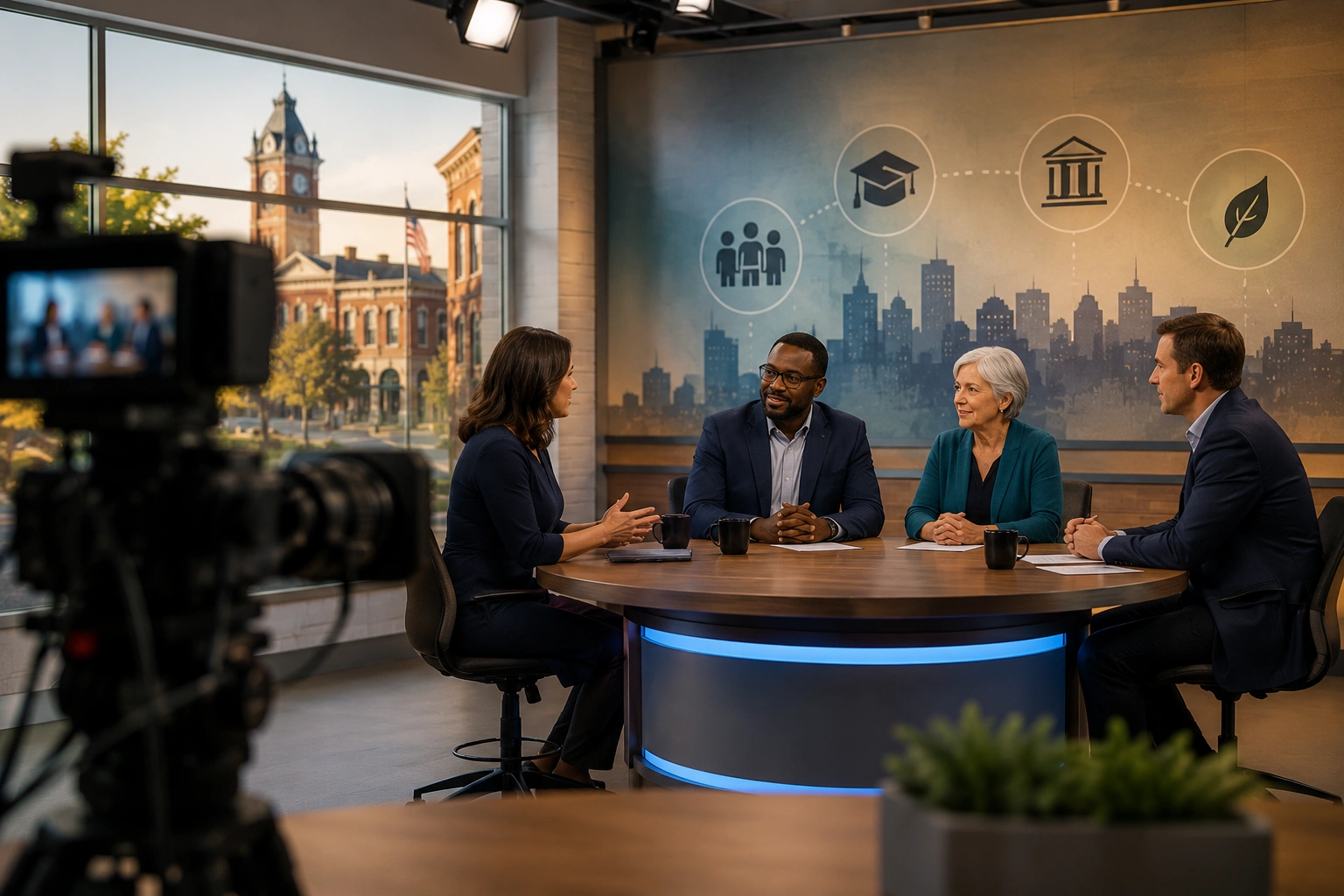
Traditional broadcast planning has often emphasized audience scale. A more localized approach focuses on community influence programming, where brands align with content tied to civic, educational, and regional conversations.
This can include local public affairs shows, regional interview programs, educational broadcasts, and community issue segments that attract highly engaged local audiences. These environments often drive stronger trust and attention because programming is closely connected to local concerns and community identity.
At DCW, community influence programming is increasingly evaluated to strengthen local market credibility and align traditional media messaging with trusted regional conversations.