Connect+ July 23, 2026
Share this story
Summer is in full swing, and the media world is keeping pace. In this latest Connect+, we highlight rising Microsoft paid search spend, innovations unveiled at YouTube Brandcast 2026, and smarter strategies in traditional media, from contingency planning to programmatic linear TV.
Microsoft Paid Search Buys Climb as Advertisers Diversify Search Spend
Advertisers boosted spending on Microsoft Advertising paid search by about 7% year‑over‑year in Q2 2026, indicating growing interest in the platform’s inventory. The increase comes as cost‑per‑click (CPC) on Microsoft’s paid search climbed 19%, reflecting higher competition for visibility. Bing paid search continues to shine for B2B audiences, older demographics, and wealthier consumer segments, where its user base aligns closely with these key targets. For media buyers, these trends highlight the value of including Microsoft Advertising in a multi-platform search strategy. With still relatively low CPCs and strong audience targeting, advertisers can leverage the platform to reach highly qualified segments while optimizing performance and efficiency. DCW monitors these shifts closely to help clients go beyond Google and maximize results across search campaigns and audience strategies.
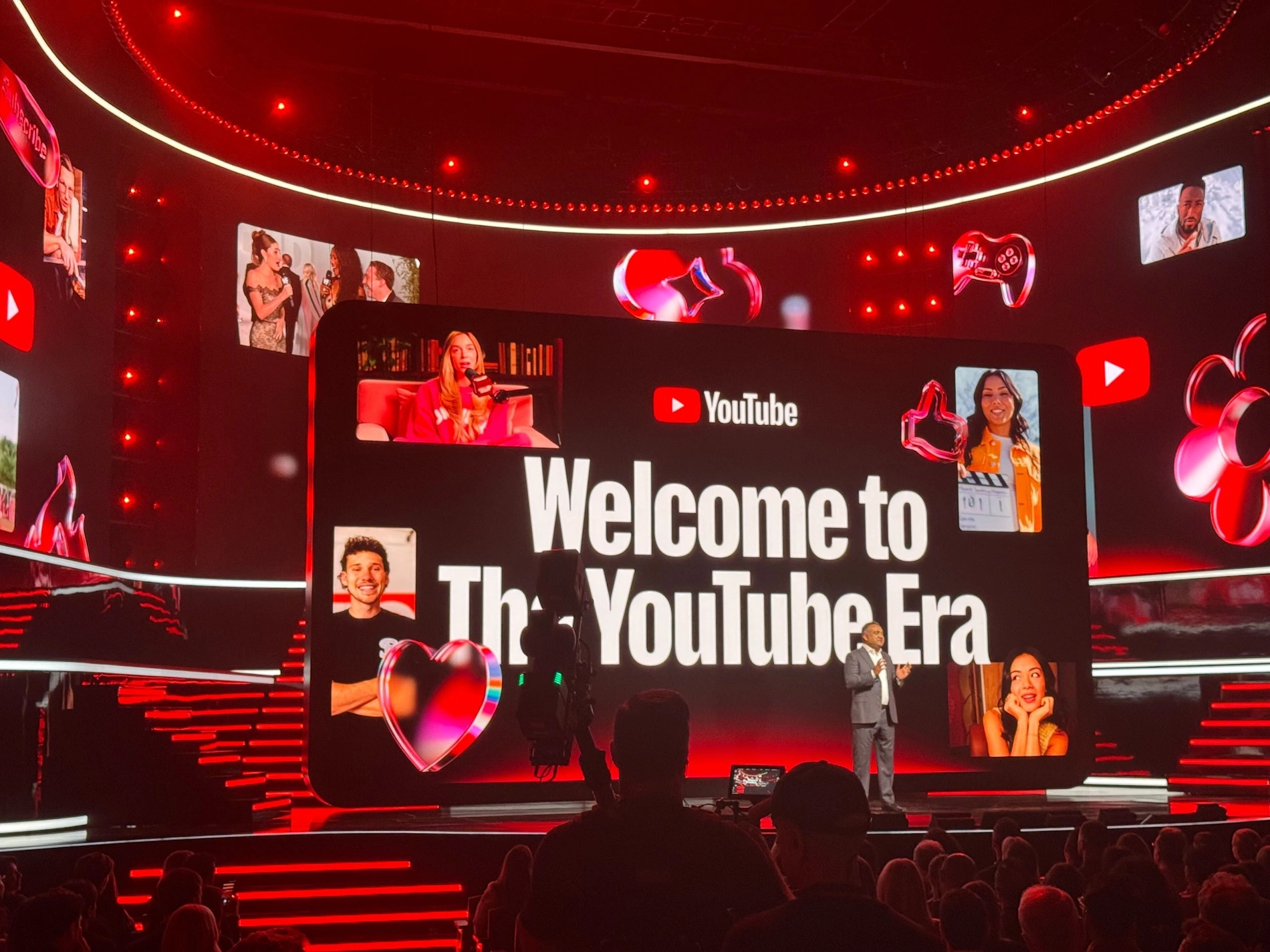
YouTube Brandcast 2026 Unveils Next‑Gen Ad Tools
At YouTube Brandcast 2026, the platform introduced several new advertising capabilities that expand how brands can reach and engage viewers across screens and content types. Key updates include AI‑powered Custom Sponsorships, which automatically surface relevant videos based on a brand’s brief; Affiliate Partnerships Boost to amplify creator content that already tags a product; and a Masthead with Custom Content Shelf that allows brands to curate additional context around their hero placement. YouTube also expanded connected TV advertising with features like Buy with Google Pay, enabling two‑tap purchases directly on TV screens, and introduced Multimodal Video Creation, an AI workflow that takes a creative brief to finished video using models such as Gemini and Veo. For advertisers, these innovations create new ways to build and convert audiences, from automated creator sponsorships to shoppable TV experiences, and help bridge the gap between discovery and action within YouTube’s vast content ecosystem.
Contingency Planning Keeps Traditional Campaigns Responsive
Modern traditional media campaigns increasingly include contingency strategies before the first ad airs. These plans allow advertisers to respond quickly to political spending, breaking news, severe weather, programming changes, production delays, and other disruptions that can affect inventory or audience delivery. Contingency planning identifies backup stations, alternate dayparts, reserved inventory, flexible scheduling, and pre-approved budget reallocation. This proactive approach ensures media buyers can shift placements quickly while maintaining negotiated pricing, reach, frequency, and campaign continuity, rather than scrambling after preemptions or unavailable premium inventory. While no plan can predict every disruption, clear thresholds and predefined alternatives give advertisers greater control over media investments. At DCW, these safeguards are built into traditional media strategies, keeping campaigns efficient, responsive, and aligned with client objectives even in volatile market conditions.

Programmatic Buying Expands Into Linear TV
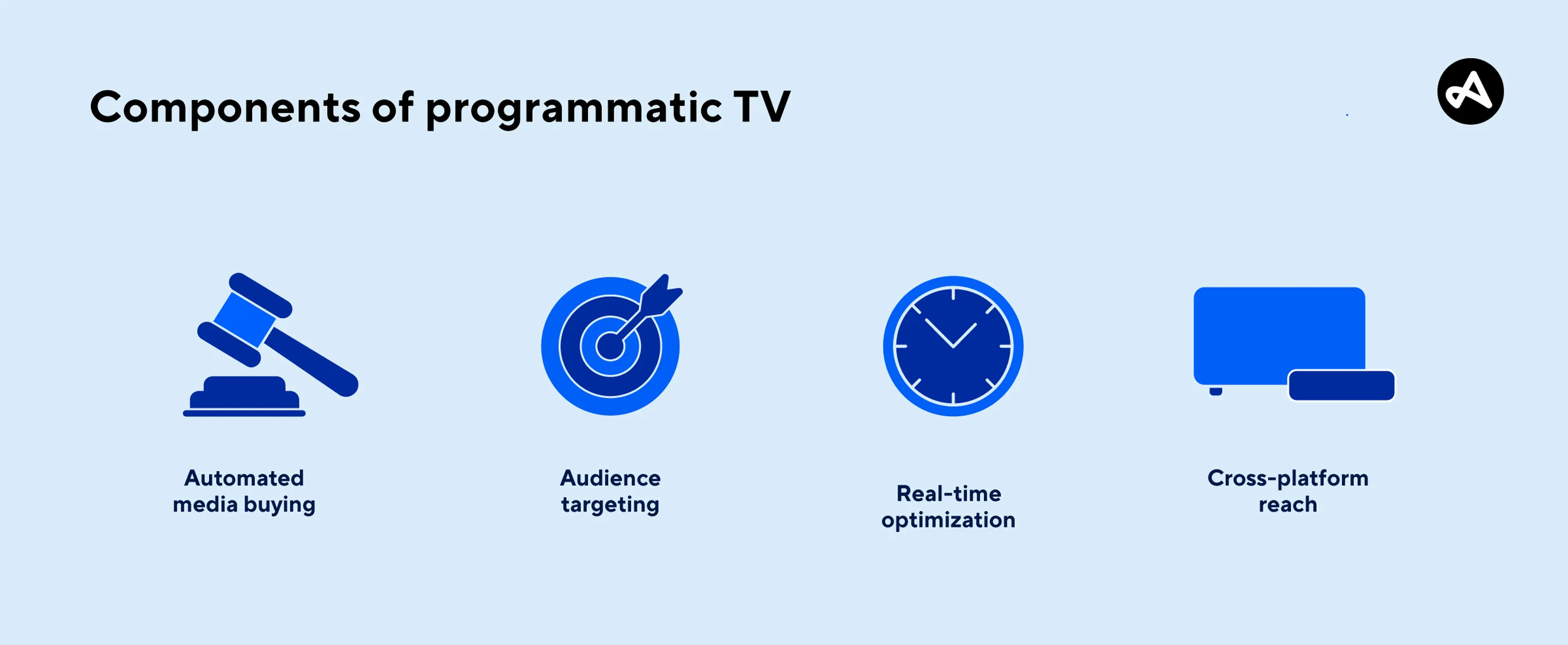
Programmatic buying is moving beyond streaming into traditional linear television, giving advertisers automated access to selected broadcast and cable inventory through private marketplaces. Standard 15- or 30-second commercials still air in scheduled programming, but transactions are now faster, more flexible, and increasingly data-driven. New platforms let qualified buyers evaluate, target, and bid on eligible linear inventory, enabling more unified management of TV alongside digital video while applying audience criteria and adjusting delivery efficiently. Direct station negotiations remain essential for premium placements, sponsorships, and rate protection. As biddable linear inventory grows, DCW continues to monitor market availability, pricing, audience controls, and measurement cap.