Connect+ March 5, 2026
Share this story
Spring is just around the corner, and the media landscape is evolving just as quickly. In this latest Connect+, we explore the continued rise of retail media networks, new ways Pinterest is shaping product discovery, and how precision timing is redefining traditional TV and OOH strategies.
Retail Media Expands Beyond the Store
DCW now has expanded access to Retail Commerce Media Networks through our programmatic partner, StackAdapt. These retailer-owned networks enable first-party targeting across diverse channels including Display, Pre-Roll Video, CTV, Native Display, DOOH, and Audio. They also provide powerful product-level SKU insights and attribution.
Networks currently available include Marriott, Lyft, Target, Costco, PayPal, and many more. Retail Media Network spending continues to surge, growing from $58 billion in 2025 to an expected $69 billion this year.
If you are looking to grow your brand through retailer ecosystems or activate campaigns against high-intent shopping audiences, DCW can help develop a custom retail media strategy tailored to your goals.

Pinterest Pushes Deeper Into Shopping
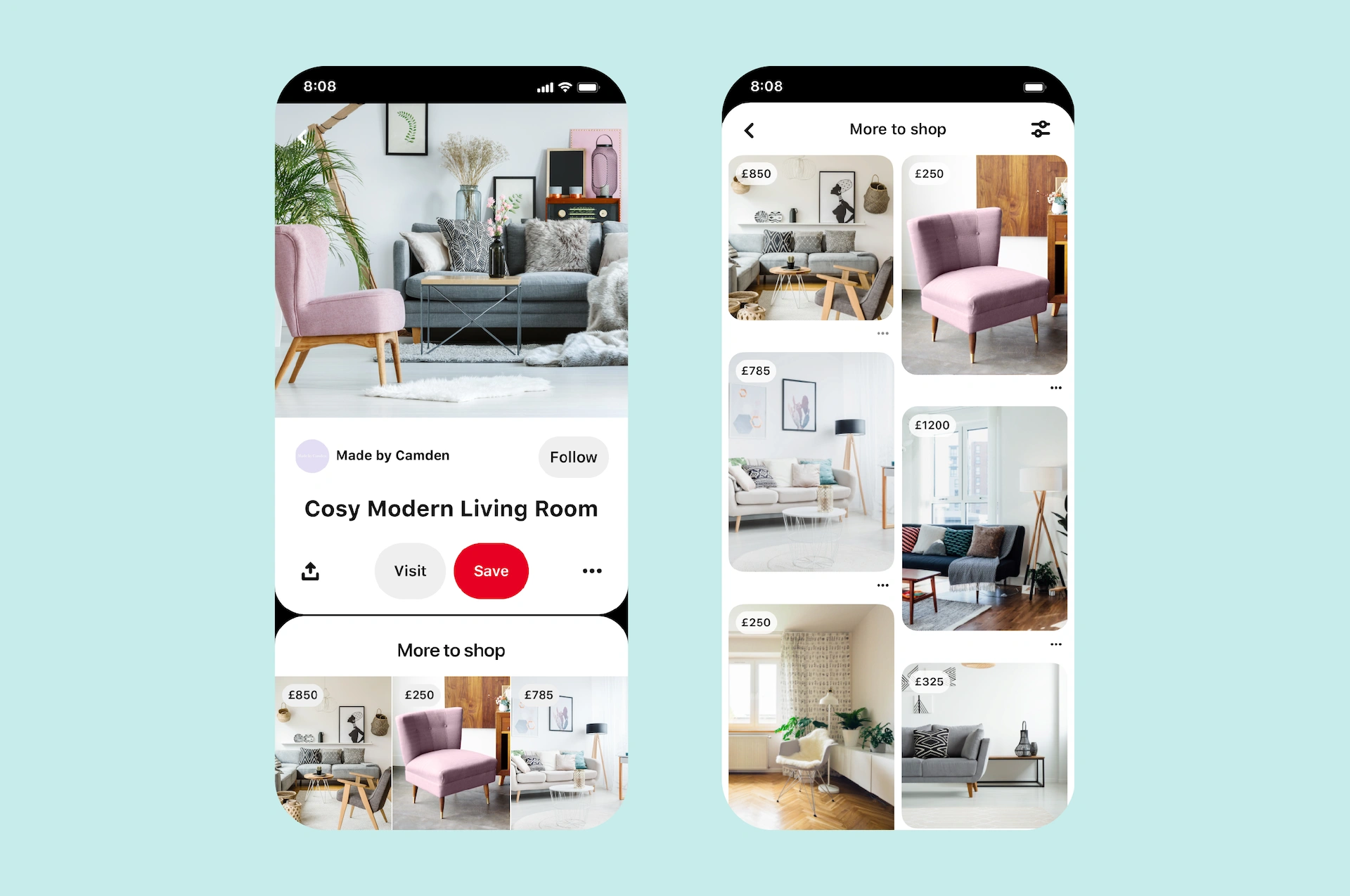
Pinterest recently shared new guidance for retailers using its platform, encouraging advertisers to prioritize lower-funnel product pins. The platform recommends stronger attention to product pin creative and the use of templates that highlight visual themes and moods.
Pinterest also noted that its visual search model performs best when context is provided, connecting products to broader ideas rather than presenting them as standalone listings. Advertisers are encouraged to use Pinterest Trends to inform creative and align products with emerging consumer interests.
Given Pinterest’s powerful search functionality, visual discovery model, and high engagement, DCW continues to recommend the platform as a strong addition to many advertisers’ digital strategies.
Rethinking How Traditional Media Is Deployed
Precision Timing Restructure is recalibrating traditional media around timing engineering and physical market control. Linear television and out-of-home are no longer treated simply as broad distribution vehicles, but as channels that can be structured around economic behavior and local influence.
Rather than layering digital tactics on top, the opportunity increasingly lies in how these legacy formats are bought and deployed. Sophisticated buyers are shifting from impression spread to strategic concentration, using timing and geography to drive measurable lift.
DCW is restructuring traditional media plans to prioritize economic intent over passive reach, ensuring legacy channels are executed with discipline, precision, and purpose.
Linear TV Meets Behavioral Economics
Predictive Linear TV Daypart Engineering is evolving linear television by aligning media weight with real consumer decision windows. Instead of evenly distributing budgets across multi-week flights, schedules are compressed into high-intent periods such as pay cycles, tax refund timing, rate adjustments, enrollment deadlines, and seasonal retail triggers.
News, early fringe, and other high-credibility programming are prioritized when audiences are most likely to transact, not simply when ratings peak. This approach improves efficiency through daypart arbitrage, increases recall during action windows, and strengthens the correlation between media timing and business outcomes.
DCW builds linear schedules around behavioral economics, transforming television from a broad reach vehicle into a precision-timed authority driver.