Connect+ April 16, 2026
Share this story
Mid-April is here and the media landscape continues to evolve with it. In this latest Connect+, we break down new developments in AI advertising, expanding audio formats, and how traditional channels are becoming more precise and performance driven.
ChatGPT Ads Become More Accessible
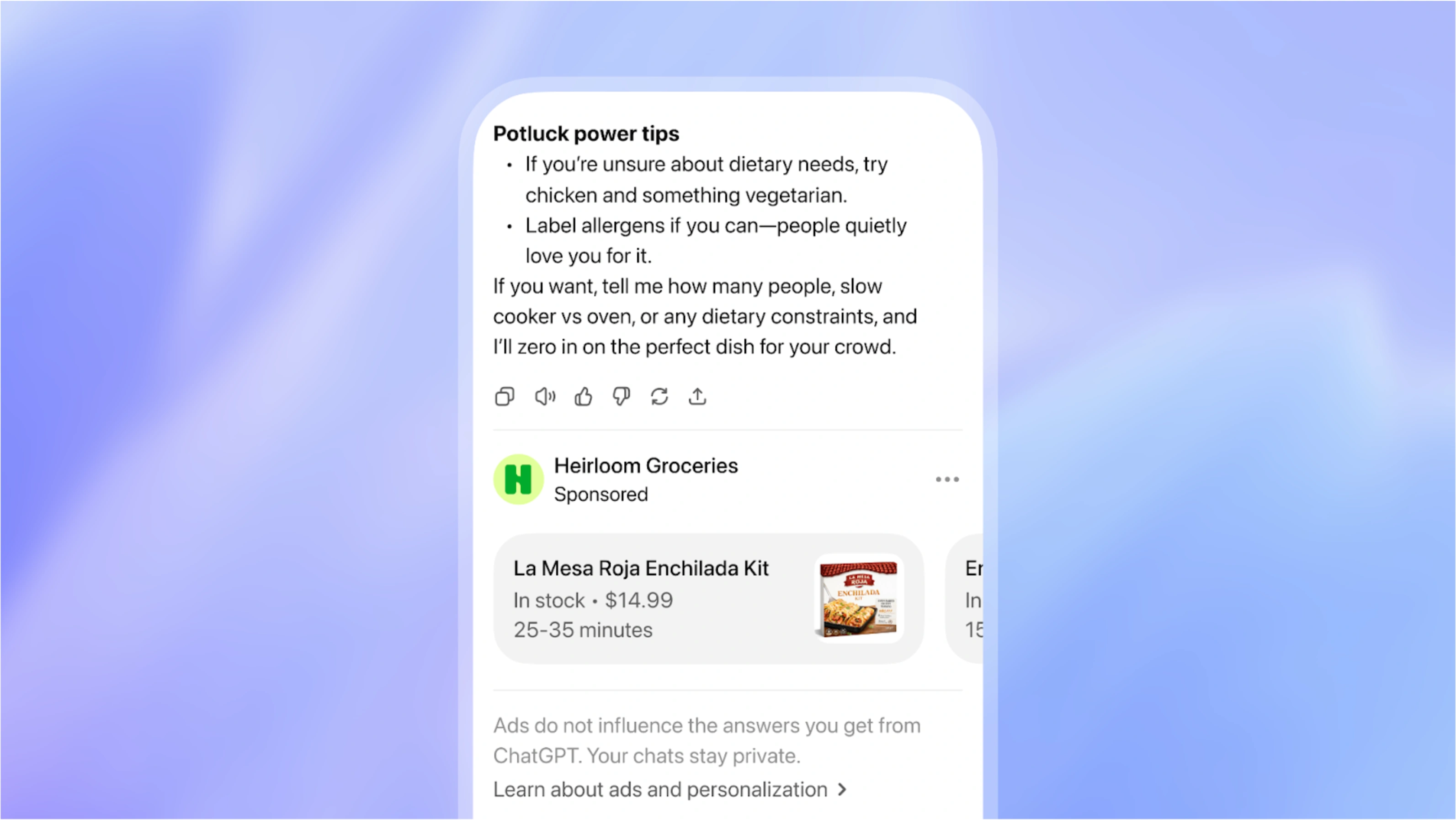
Advertising on ChatGPT is becoming more accessible and transparent. OpenAI recently lowered the minimum spend threshold again, from $250K to $50K, opening the platform to a broader range of advertisers who previously may not have considered the investment.
In addition, OpenAI is introducing a self-serve ads manager for advertisers and agencies, providing greater control over how and where ads appear within the platform. Initial CPM estimates are around $60, higher than most social platforms and even many CTV placements, reflecting the premium nature of the environment.
For brands looking to reach users within emerging AI-driven discovery channels, ChatGPT represents a growing opportunity. If you’re interested in exploring how this fits into your media strategy, DCW can help build a plan tailored to your goals.
Spotify Expands Visual Ad Capabilities
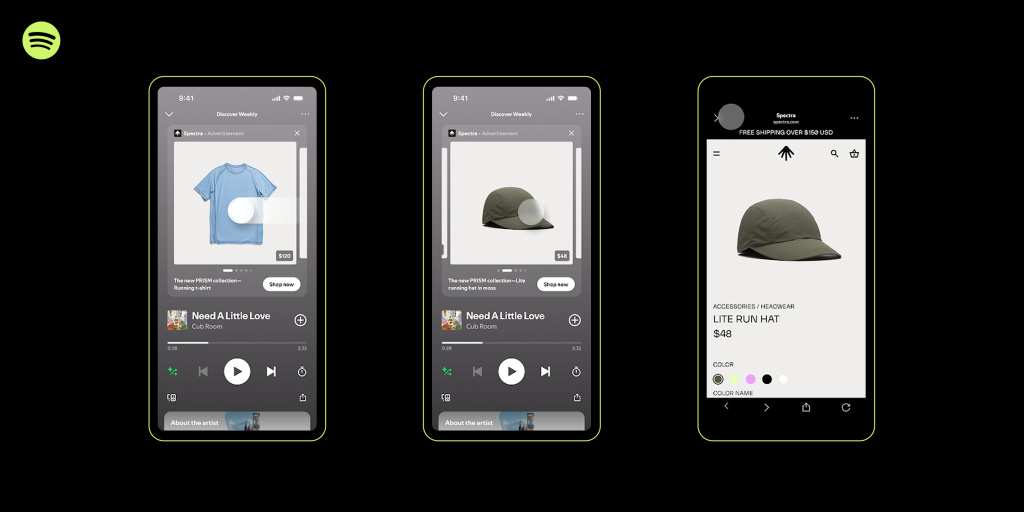
Spotify continues to expand its advertising offerings with the introduction of a new ad format. The platform has launched swipeable carousel ads, allowing up to six image panels, each linking to a unique landing page.
This format enhances Spotify’s in-app visual capabilities, enabling advertisers to showcase multiple products, messages, or services within a single unit. The update is part of a broader push to strengthen Spotify’s ad platform, including improvements to its ads manager with features like split testing and automated bidding.
As audio platforms evolve beyond purely auditory experiences, these formats create new opportunities for brands to engage users more dynamically. DCW continues to see strong value in audio as a complementary channel and can help build a strategy that integrates Spotify into a broader media plan.
Timing Media to Financial Decision Windows
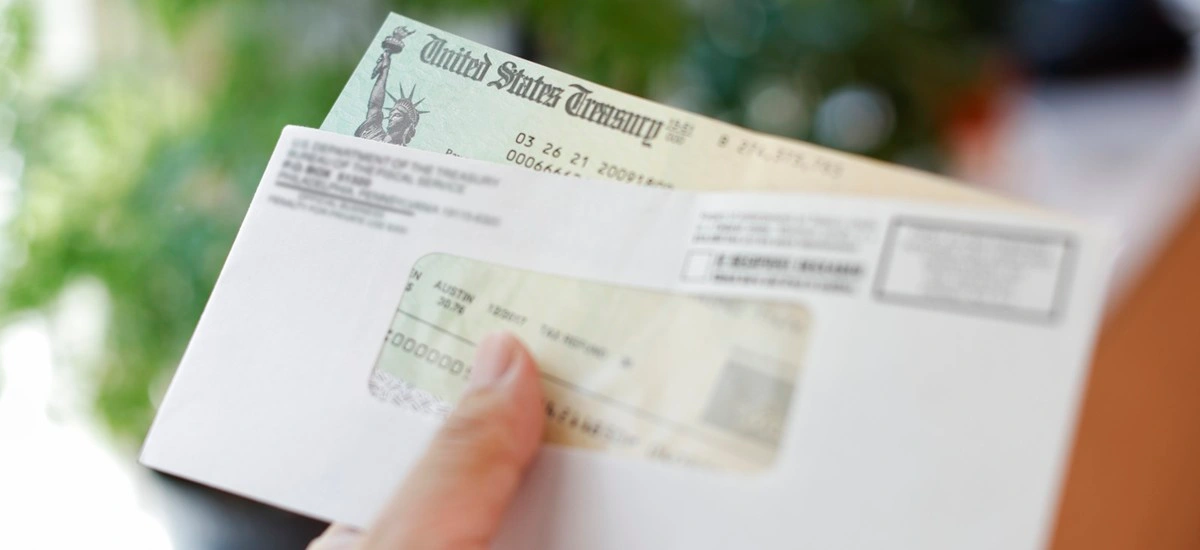
A new layer in traditional media buying is shifting planning away from fixed dayparts toward financially driven activation windows. Rather than aligning linear TV and radio to broad behaviors like commute or primetime, media is structured around when cash flow enters the market. Payroll cycles, tax refunds, and benefit distributions serve as key signals for when audiences are more likely to act.
Execution focuses on reallocating media weight, not increasing spend. Investment is concentrated within 48 to 96 hours following these financial triggers, when discretionary decision-making is at its peak.
For multi-location healthcare systems, this approach can directly influence appointment scheduling for diagnostics, elective procedures, and specialty care, which often align with financial readiness rather than awareness alone. Aligning media with these windows improves response efficiency and shortens the path to conversion.
DCW applies this approach across healthcare, retail, and financial services, structuring traditional media plans around real-world demand signals to capture audiences when they are most prepared to take action.
Rotating OOH for Market-Level Impact
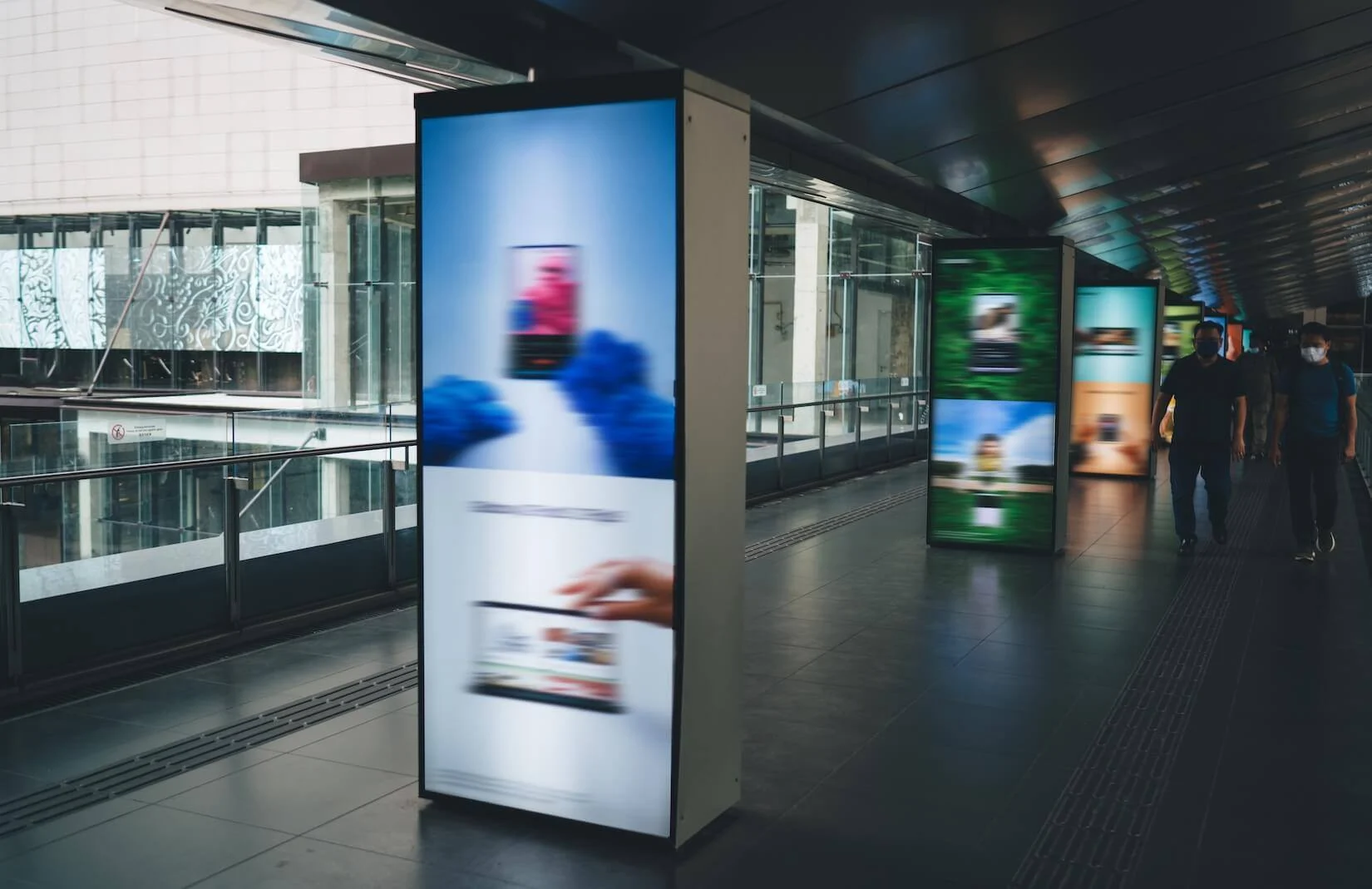
Out-of-home is shifting from fixed, long-term placements to rotational market dominance strategies. Rather than maintaining diluted coverage across an entire DMA, investment is concentrated within tightly defined micro-markets to create full share of voice for a set period before rotating to the next zone.
Execution is phased. A three- to five-mile trade area is saturated across available OOH inventory, including bulletins, transit, and street furniture, driving rapid frequency and recall. Once impact is established, the buy shifts to adjacent markets, repeating the same approach.
Over time, this creates the perception of broad market dominance while maintaining efficiency. For multi-location brands, this reflects how demand forms locally, with consumers acting within immediate trade areas rather than across entire regions.
This strategy is made possible by DCW’s access to digital OOH placements, which allow for more dynamic and flexible campaign execution. We can quickly pivot and scale campaigns across regions while ensuring high-impact visibility at the right moments.
DCW structures OOH plans around localized demand, ensuring each market receives focused, high-impact visibility before scaling across the broader footprint.